
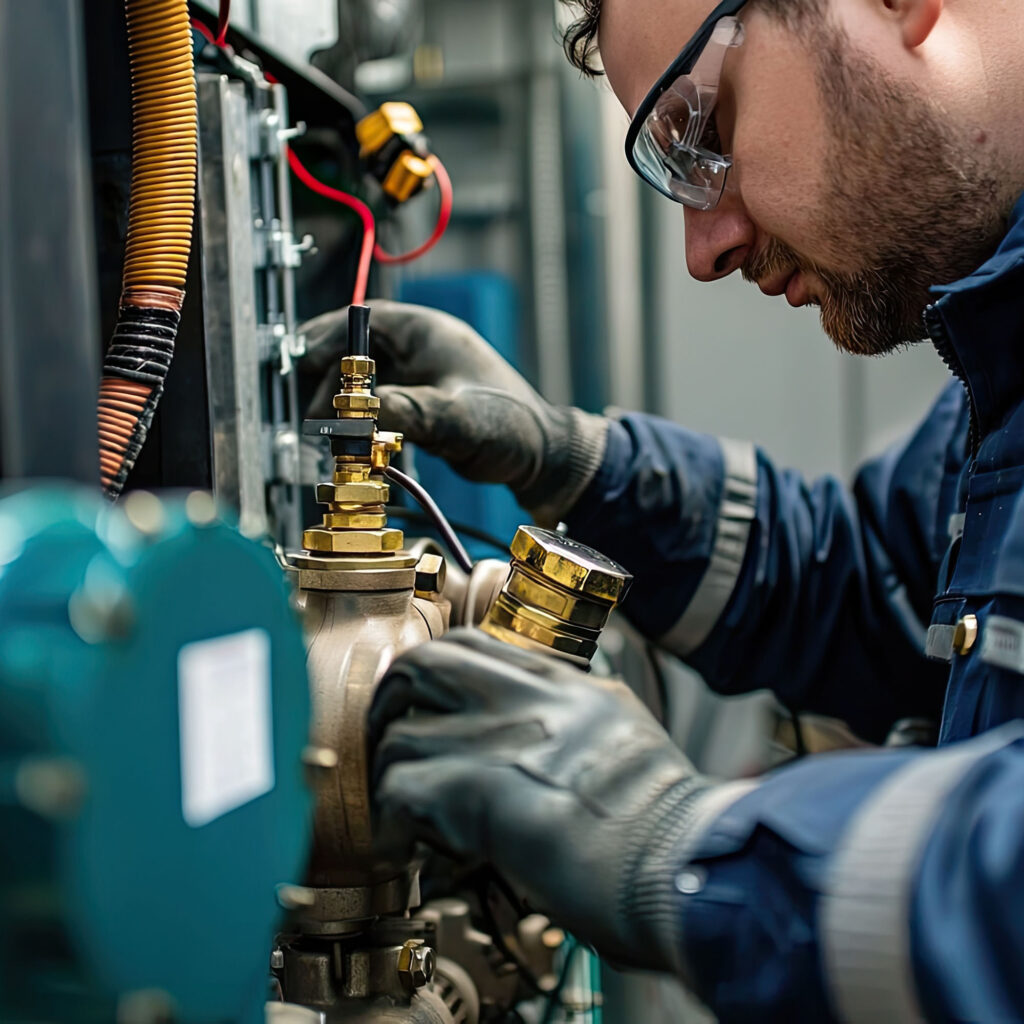
Even though air compressors are commonly used, they require strict safety precautions. These systems are used across industries in busy settings, such as production lines and automobile workshops. One of the most important concepts in air compressor health and safety is Safe Working Pressure (SWP).
Understanding SWP is essential for anyone operating or maintaining an air compressor safely, efficiently and within approved limits.
Safe Working Pressure is the maximum pressure a component can safely handle during normal operation. Manufacturers set this limit during the design and testing stages to ensure the equipment operates reliably without structural failure or safety risks.
When pressure exceeds this limit, components can become overstressed, leading to leaks, damage, or, in extreme cases, system failure. Maintaining the correct pressure levels is therefore a key part of safe air compressor operation.
The pressure in an air compressor is the force per unit area applied to the air within the system. This is what specifies the power that drives pneumatic tools. But it isn’t the same thing as flow, which is measured differently.
Compressed air systems operate under significant force, so even small pressure increases can strain equipment. SWP exists to ensure that pressure systems operate within safe parameters and that every part of the system withstands the forces involved.
By following SWP guidelines, businesses can reduce the risk of accidents, protect employees and equipment, and maintain reliable performance. Operating within the correct pressure limits also helps prevent unnecessary wear on components, improving efficiency and extending the system’s lifespan.
When it comes to regulations, SWP isn’t just about the air compressor itself. Each component in the system should be installed properly and designed to withstand the pressure at which it will be used.
SWP typically applies to several key parts of a compressed air setup, including:
● air compressors
● air receivers (storage tanks)
● pipework
● hoses
● valves and fittings
Ensuring that each of these components meets the required pressure rating is an essential part of maintaining a safe system.
The SWP for a compressor or component can usually be found on the equipment’s nameplate or in the manufacturer’s manual. Regular inspections and servicing by qualified engineers can also confirm that the system is operating within safe pressure limits. Airia is a certified retailer of air compressors and can provide expert servicing to ensure your system is operating safely, for peace of mind.
In the UK, compressed air systems fall under the Pressure Systems Safety Regulations (PSSR). These regulations require businesses to properly maintain equipment and ensure that systems operate within safe pressure limits to protect both workers and machinery.
Understanding Safe Working Pressure is essential to maintaining a reliable compressed air system. When all components operate within their designed limits, businesses can reduce safety risks, improve efficiency and avoid costly breakdowns. Regular inspections and professional maintenance also play a vital role. Servicing ensures that pressure levels remain correct and that worn components are identified before they create problems.
All work is guaranteed, and customer service is always of the highest standard; why not try Airia today?
© Airia Ltd. All Rights Reserved. Registration: England No. 06864962. VAT Registration No. : 948 7359 63. Designed by Damteq®